


Wine tasting step by step It's a way to discover wine with all the senses. It's not just about drinking it, but about appreciating it in depth: observing its colour, identifying its aromas, savouring its texture, and understanding its balance. Whether you're a curious enthusiast or taking your first steps into the world of wine, learning to taste will help you enjoy it in a much more conscious and pleasurable way. In this guide, we'll explain how to do it correctly, from preparing the glass to the final sip.
Wine preparation.
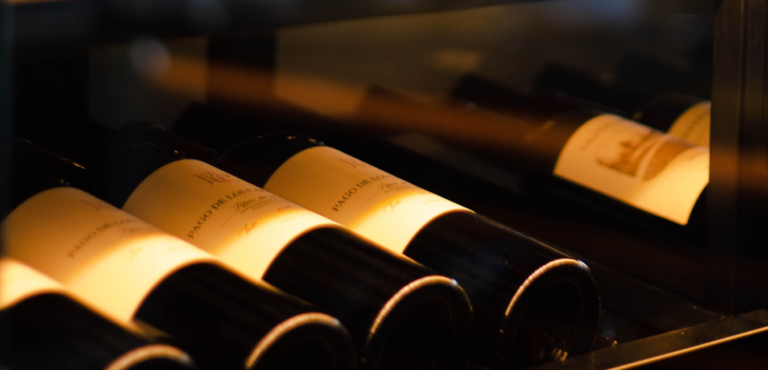
Before beginning the tasting, it is important to ensure that the wine is at good storage conditions. This implies that the bottle has been stored in a cool, dark place, away from sudden temperature changes.
The serving temperature is key to a good tasting.
- Young white wines: between 7 and 10°C
- White wines with ageing and rosé wines: between 10 and 12 °C
- Young reds: 14–16°C
- Red wine with crianza or reserva: 16–18 °C
- Sparkling: 6–8 °C
Additionally, use appropriate glasses (preferably thin crystal and tulip-shaped) and ensure they are clean and free from any odours that could interfere with the tasting.
👉You might like it: Ideal temperature for serving wine
Visual analysis
The first step involves observing the wine. Hold the glass tilted over a white background and examine its colour, brilliance, and clarity.
- ColourThe hue varies according to the type of wine and its age. Whites range from pale yellow to gold; reds from cherry red to ochre; and rosés from salmon to strawberry pink.
- Brightness and clarityA clear and bright wine usually indicates good quality. Cloudiness can signal defects or natural sediment (in unfiltered wines).
- BodyWhen swirling the glass, observe the “tears” or “legs” that run down the inside. The denser and slower they are, the higher the alcohol or glycerol content, indicating a more structured wine.
👉You might like: How to choose a good wine
Olfactory analysis
Bring the glass closer without moving it and take a first gentle sniff (resting olfactory phase). Then, swirl the wine gently in the glass to release its aromas (agitation phase) and sniff again.
- Primary aromasThey come from the grape, like fruits, flowers or herbs.
- Secondary aromasThey result from the fermentation process, giving notes of bakery, butter or yoghurt.
- Tertiary aromasThey come from ageing in wood or bottle, such as leather, tobacco, vanilla or dried fruits.
A wine that is expressive and balanced on the nose is a good indicator of quality.
Tasting notes
Take a small sip and swirl the wine around your entire mouth to appreciate its characteristics.
- Basic flavoursSweet (tip of the tongue), sour (sides), bitter (back), and salty (less common).
- BodyWeight and texture. A wine can be light, medium, or full-bodied.
- BalanceA good wine has harmony between acidity, sweetness, alcohol, tannins (in reds), and flavour.
- PersistenceEvaluate how long flavours linger after swallowing. A longer duration indicates higher quality.
After this analysis, you can assess the wine as a whole: is it complex? did it surprise you? would you try it again? These personal sensations are also an essential part of the tasting.
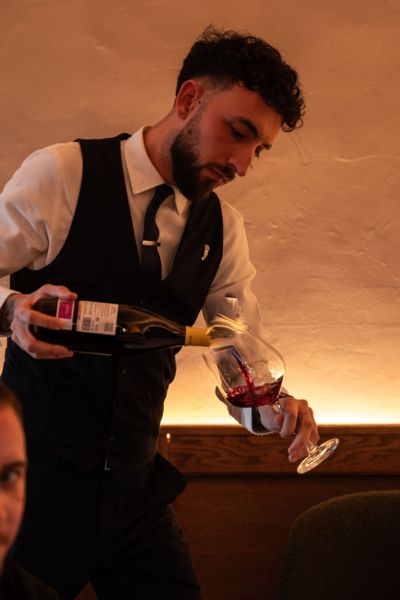
Wine tasting is learning to enjoy every glass with all your senses. In Casino Alcalá, we invite you to discover our carefully curated Wine list, ideal for exploring new labels or pairing with our dishes. Whether for a casual meal or a special dinner, let yourself be guided by our experts and elevate your gastronomic experience. Cheers!